Whether individuals with sensitive teeth can undergo whitening is a common concern among consumers. For a long time, post-treatment discomfort such as tooth sensitivity and soreness has led some people with dentin hypersensitivity to hesitate when considering whitening procedures, and in some cases, to assume that sensitive teeth are not suitable for whitening at all.
In recent years, with continuous advancements in teeth whitening technologies, individuals with sensitive teeth now have access to more diverse and suitable whitening options.This article explores new whitening solutions for sensitive teeth from three perspectives: the underlying causes of sensitivity, the limitations of traditional whitening methods, and the emerging role of Plasma Teeth Whitening as an advanced alternative.
To understand whether people with sensitive teeth can undergo whitening, it is first important to explain why tooth sensitivity occurs during whitening treatments.
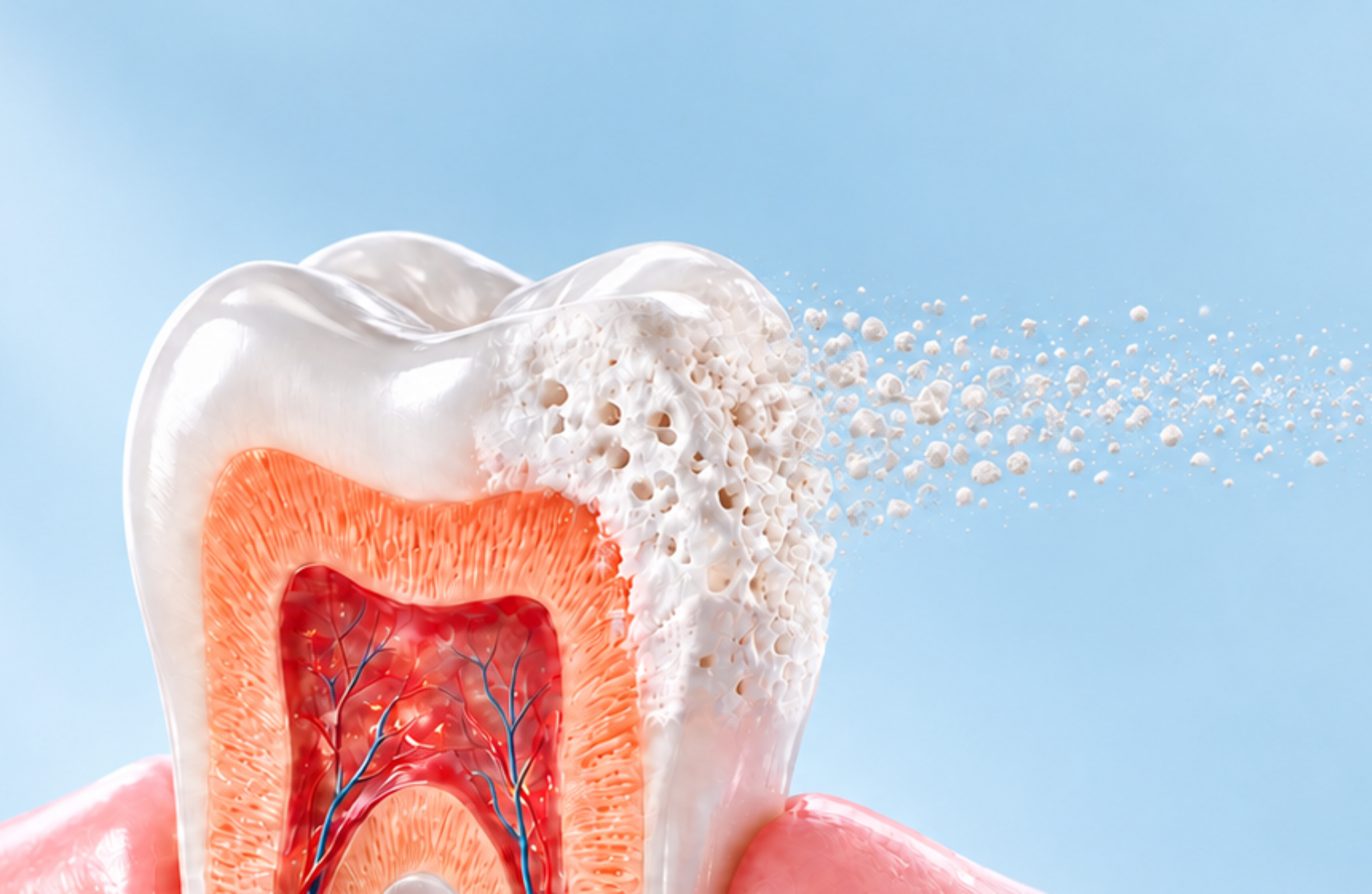
The fundamental principle of teeth whitening is the use of peroxides to break down stains on both the tooth surface and within deeper layers of the tooth structure.In traditional whitening procedures, high-concentration hydrogen peroxide (HP) can penetrate through the dentinal tubules into the inner tooth structure. In individuals with sensitive teeth, this penetration may more easily stimulate the dental pulp nerve, leading to sensations such as sharp pain or tooth soreness.At the same time, a high-intensity oxidative environment may contribute to varying degrees of enamel demineralization, which can further increase the risk of post-treatment sensitivity.
Therefore, tooth sensitivity associated with traditional whitening is largely related to the irritation caused by high-concentration hydrogen peroxide.
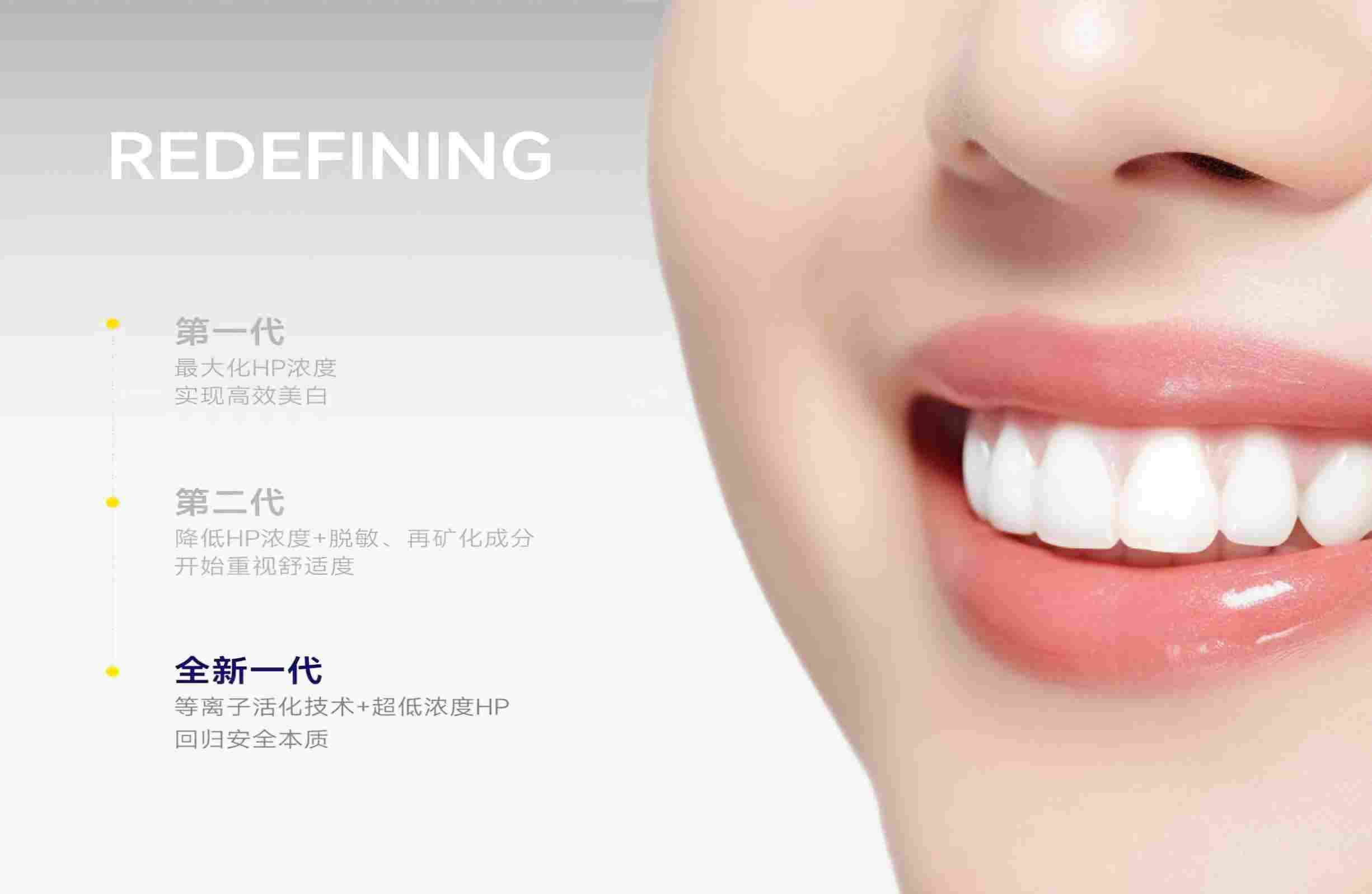
For a long time, traditional teeth whitening has followed a concentration-driven approach, relying on increased hydrogen peroxide (HP) levels to enhance whitening effectiveness.
While this method can deliver relatively fast whitening results, it also comes with several inherent limitations:
1. More Noticeable Irritation at Higher Concentrations.Higher concentrations tend to cause more noticeable irritation. In-office whitening commonly uses 15%–40% hydrogen peroxide (HP), which may strongly affect the gingival and soft tissues. Therefore, a gingival barrier is often required prior to treatment to reduce the risk of chemical irritation.
2. More Complex Post-Treatment Care.Post-treatment care is often more complex. After high-concentration oxidative procedures, many patients require additional desensitizing and remineralization support, and are advised to avoid thermal stimuli and deeply pigmented foods and beverages for several days.
For individuals with sensitive teeth, high-concentration whitening protocols are often associated with a more pronounced sensitivity experience.

With the advancement of teeth whitening technologies, the industry has begun shifting toward a new approach: reducing hydrogen peroxide concentration while enhancing oxidative activity, in order to balance whitening effectiveness with treatment comfort.
Plasma Teeth Whitening is a next-generation whitening technology developed under this direction. Built on a low-concentration, high-activity concept, it represents a shift from a concentration-driven model toward an activity-driven approach.
1. Safety Foundation: ≤3% Hydrogen Peroxide System
Plasma Teeth Whitening uses a ≤3% hydrogen peroxide (HP) system as its base formulation. In dentistry, this is considered a very low and gentle concentration, significantly reducing irritation to tooth structures and the dental nerve, and helping minimize the risk of soft tissue irritation at the source.
2. Plasma Activation: Generating High Reactivity
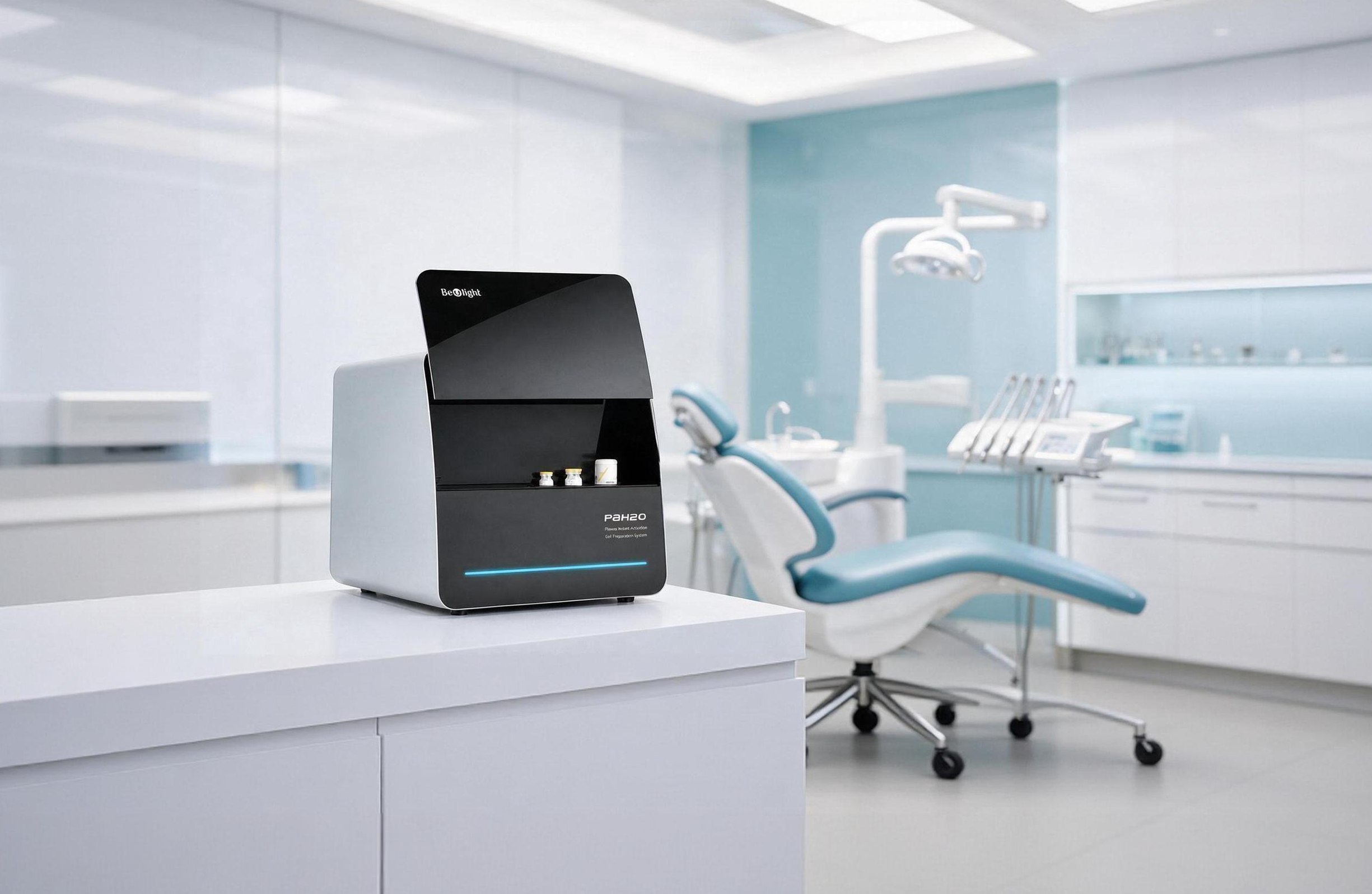
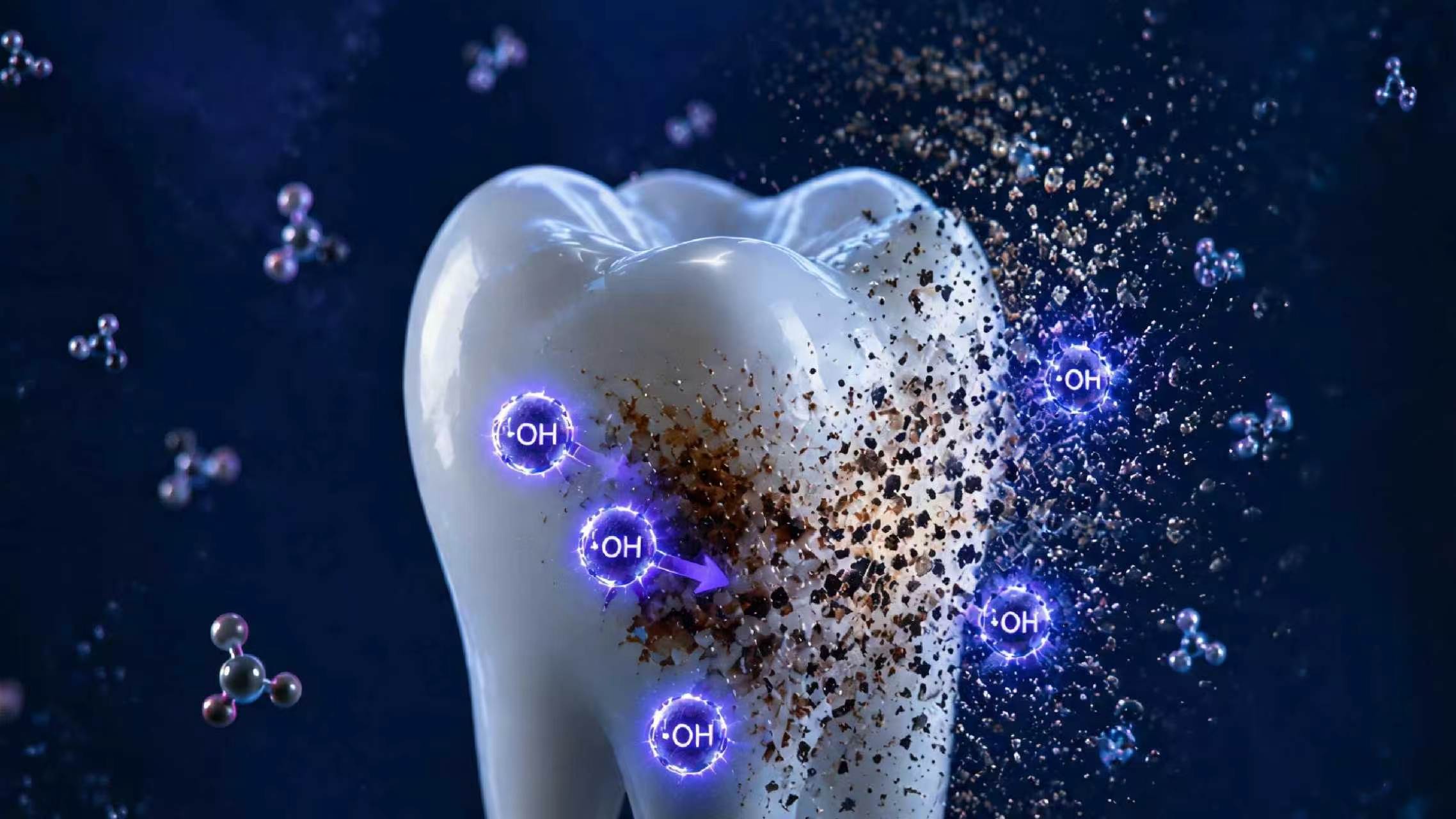
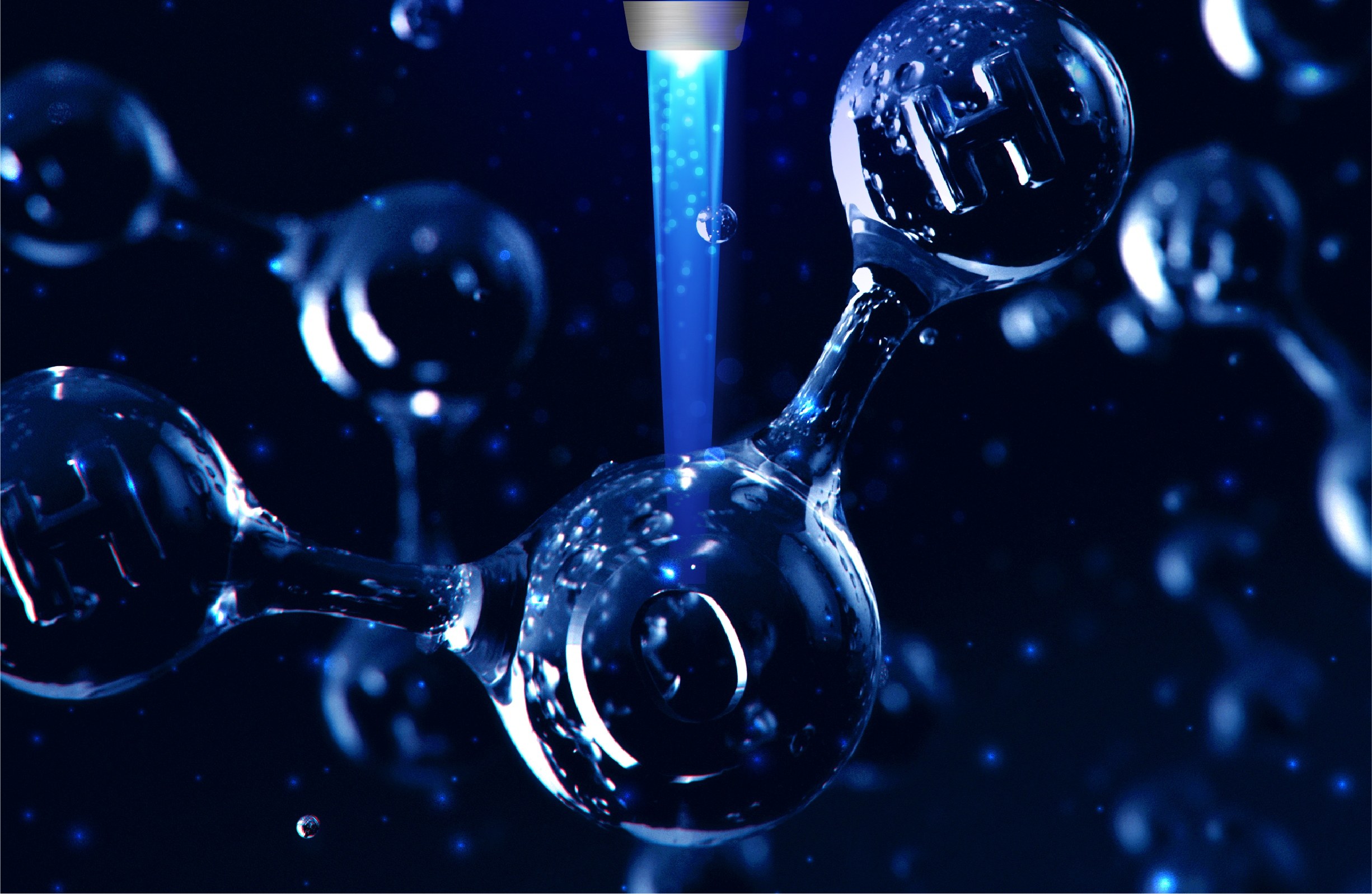
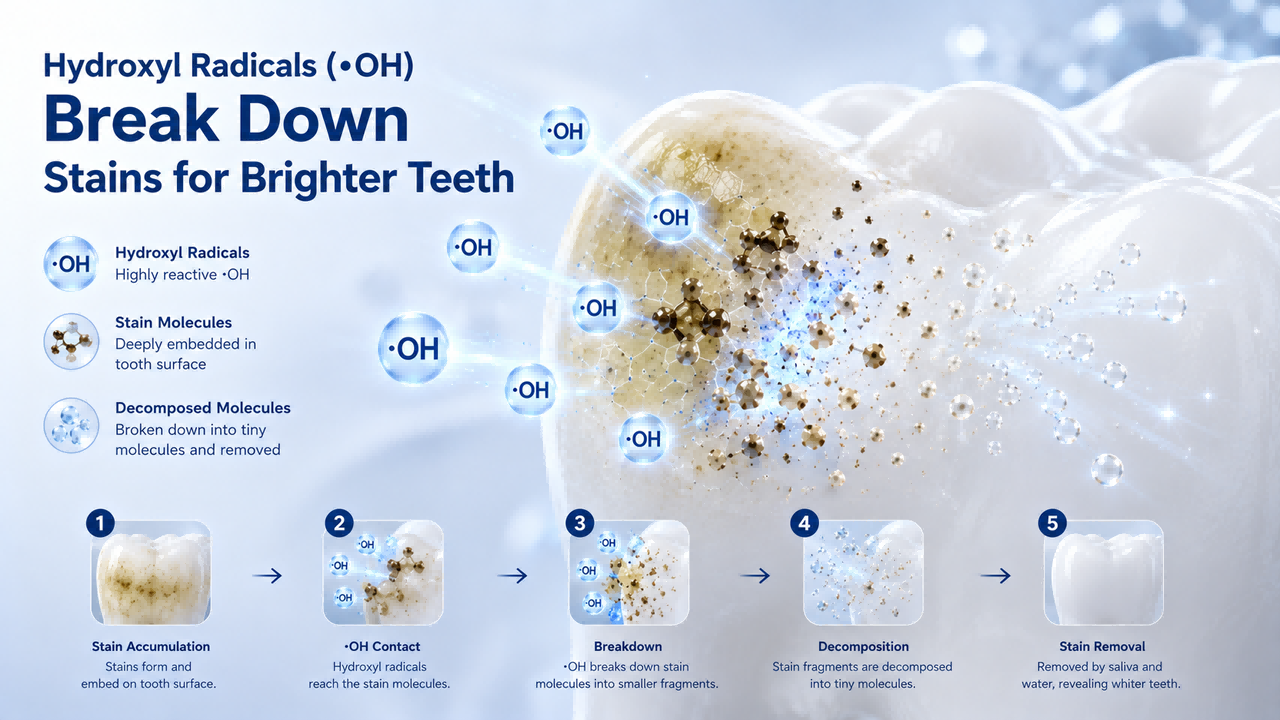
The key mechanism behind Plasma Teeth Whitening is plasma activation technology. Using low-temperature plasma jets, the system activates a combination of water and ≤3% hydrogen peroxide, transforming a relatively stable low-concentration solution into a highly reactive system that generates abundant Hydroxyl Radicals (•OH) and Reactive Oxygen Species (ROS).
3. Efficient Stain Breakdown with Enamel-Friendly Performance
These highly reactive species, including Hydroxyl Radicals (•OH) and Reactive Oxygen Species (ROS), rapidly break down chromophore structures and conjugated systems within stain molecules, decomposing large pigment molecules into smaller, colorless fragments.
With growing awareness of oral health, comfortable and safety-oriented whitening is becoming an emerging industry consensus and consumer trend.
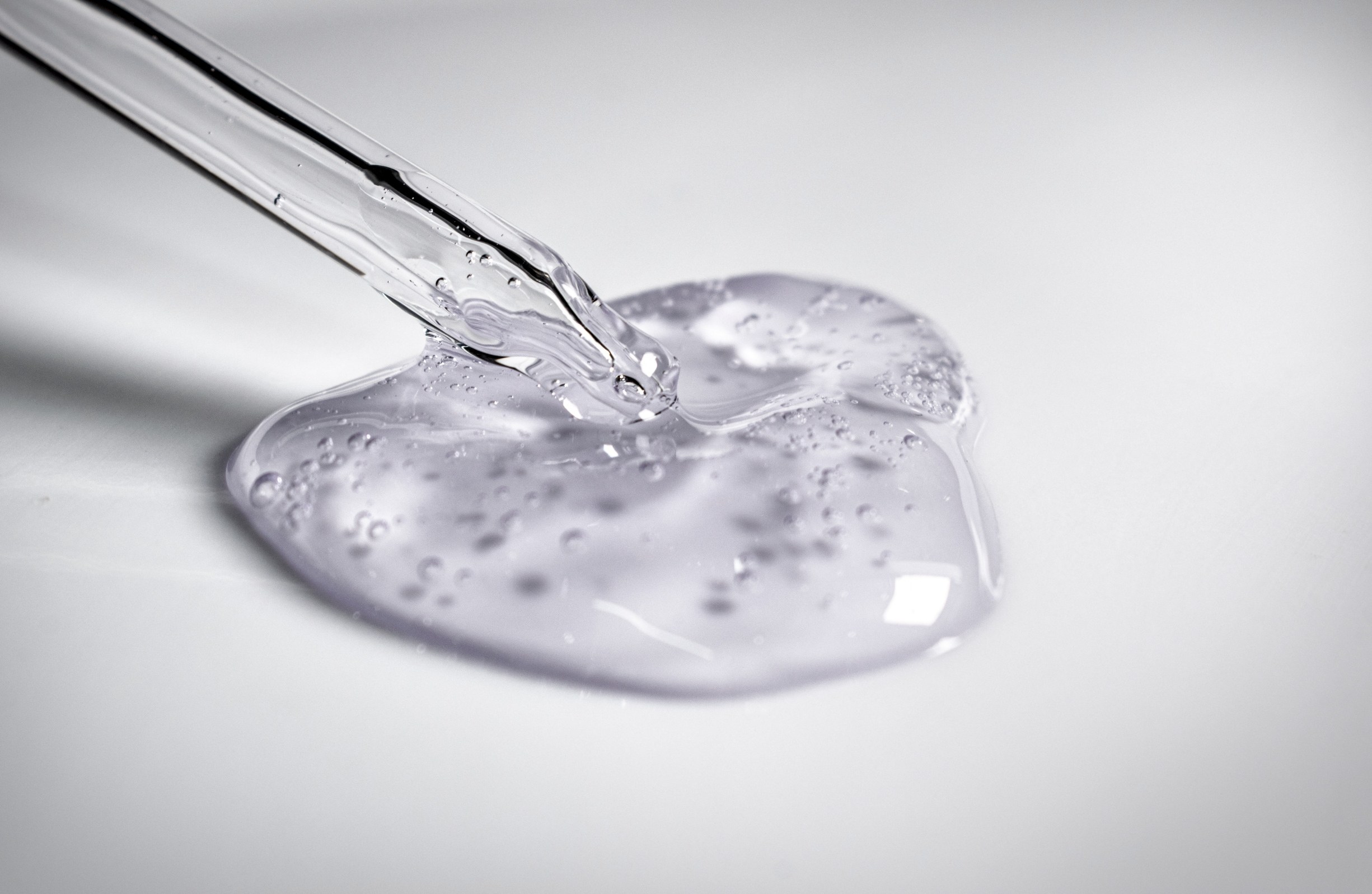
1. Streamlined workflow: Plasma Teeth Whitening follows a standardized three-step process: HP activation → gel formation → whitening application.
Due to its gentle characteristics, it typically does not require gingival barrier application or complex post-treatment desensitization and remineralization procedures.
2. Expanded applicability: With its balance of safety, comfort, and effectiveness, this approach is suitable not only for extrinsic staining (coffee, tea, smoking stains), but also serves as an ideal option for individuals with mild-to-moderate fluorosis and those who are sensitive to traditional whitening methods.
As teeth whitening technologies continue to evolve, individuals with sensitive teeth now have access to more gentle and safer whitening options.
Plasma Teeth Whitening, characterized by a low-concentration, high-activity approach, maintains whitening efficacy while significantly improving treatment comfort, offering a new technological pathway for the future development of teeth whitening.