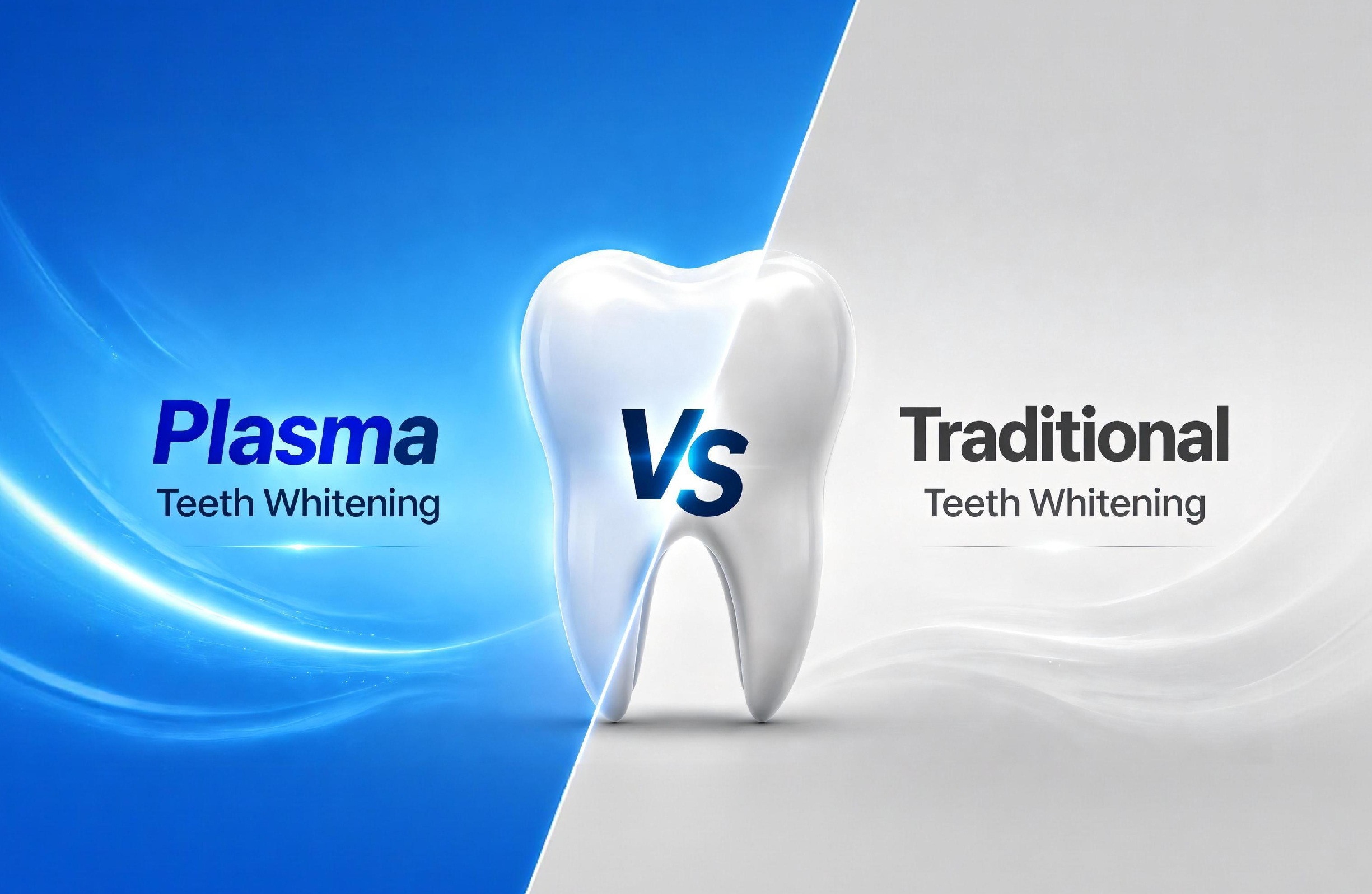
Post-whitening care is often one of the most overlooked parts of a teeth whitening treatment. Many people invest time and effort into whitening their teeth, only to find that the results fade sooner than expected. In some cases, teeth may even appear to stain more quickly afterward. More often than not, the issue is not the whitening treatment itself, but whether proper aftercare is followed.Different whitening technologies can affect enamel in different ways, and these differences play an important role in determining the level of care required after treatment.In this article, we compare traditional teeth whitening and Plasma Teeth Whitening to explain the key principles of post-treatment care and help you understand what truly matters for maintaining whitening results over time.
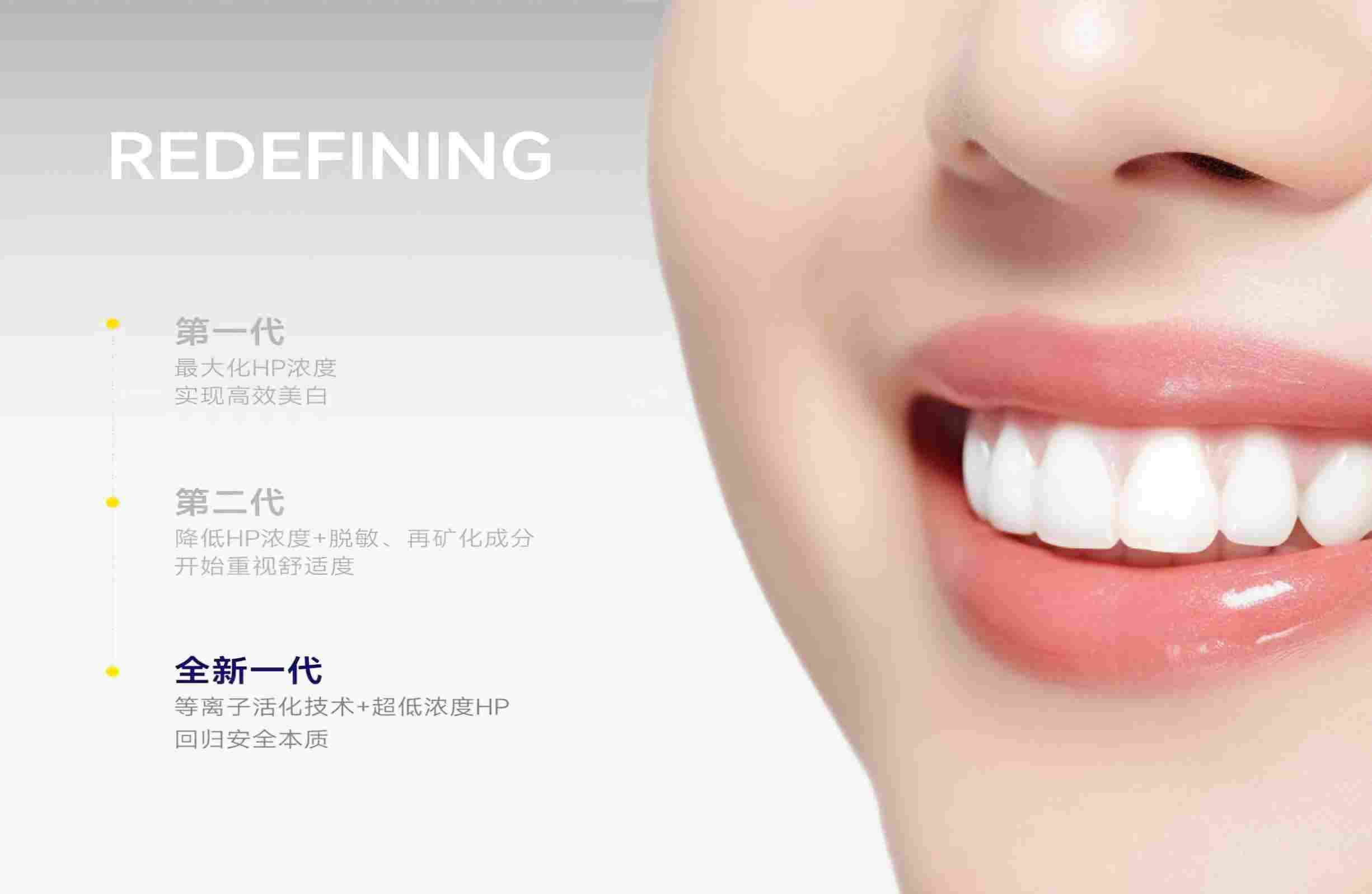
Traditional teeth whitening treatments typically rely on 15%–40% hydrogen peroxide (HP) to break down stains through strong oxidation. While this approach can deliver noticeable whitening results quickly, high-concentration HP may also increase chemical exposure to tooth structures.
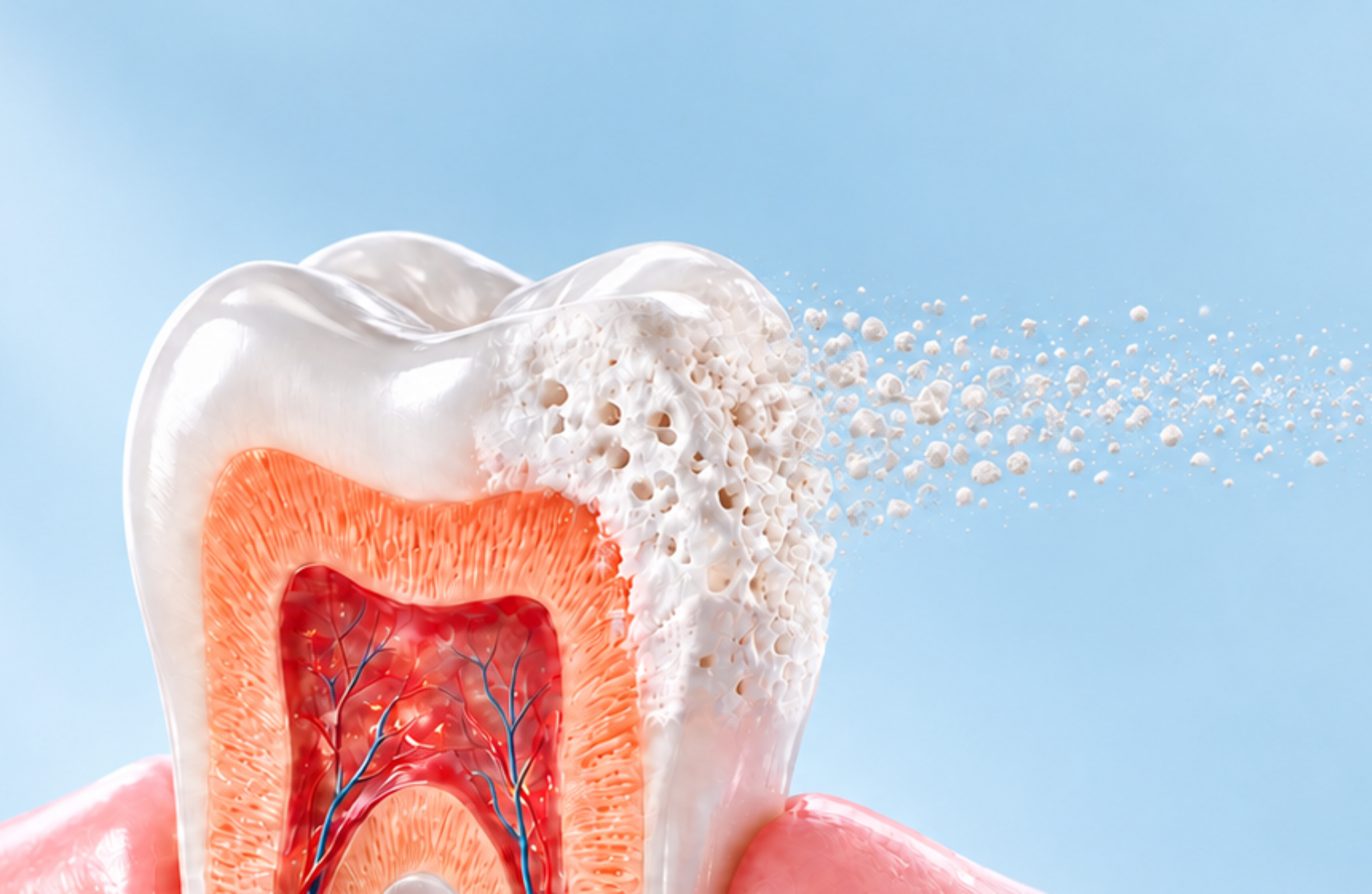
During the whitening process, enamel demineralization may occur, temporarily affecting the density and smoothness of the enamel surface.When the enamel surface becomes relatively rougher, it may be more susceptible to absorbing pigments from external sources such as coffee, tea, soy sauce, and other deeply colored foods and beverages.

In the first 24 to 48 hours after whitening, the teeth are still undergoing a natural remineralization process. During this period, the enamel microstructure may remain relatively more permeable, making it easier for pigments to penetrate and accumulate. As a result, teeth may be more susceptible to staining shortly after treatment.
As a result, traditional high-concentration whitening treatments typically require strict post-treatment care, including:
·Avoid consumption of dark-colored foods and beverages (e.g., coffee, tea, soy sauce) for the first 48 hours.
·Avoid extreme hot or cold stimuli to reduce tooth sensitivity and discomfort.
·Use desensitizing and remineralizing products as recommended.
These restrictions are primarily intended to minimize the impact of high-concentration oxidation on tooth structure.
Unlike the traditional concentration-driven approach, Plasma Teeth Whitening follows an activity-driven mechanism, enhancing oxidative efficiency through low-temperature plasma activation technology without increasing hydrogen peroxide concentration.
Low Concentration, High Activity: Supporting Enamel Safety
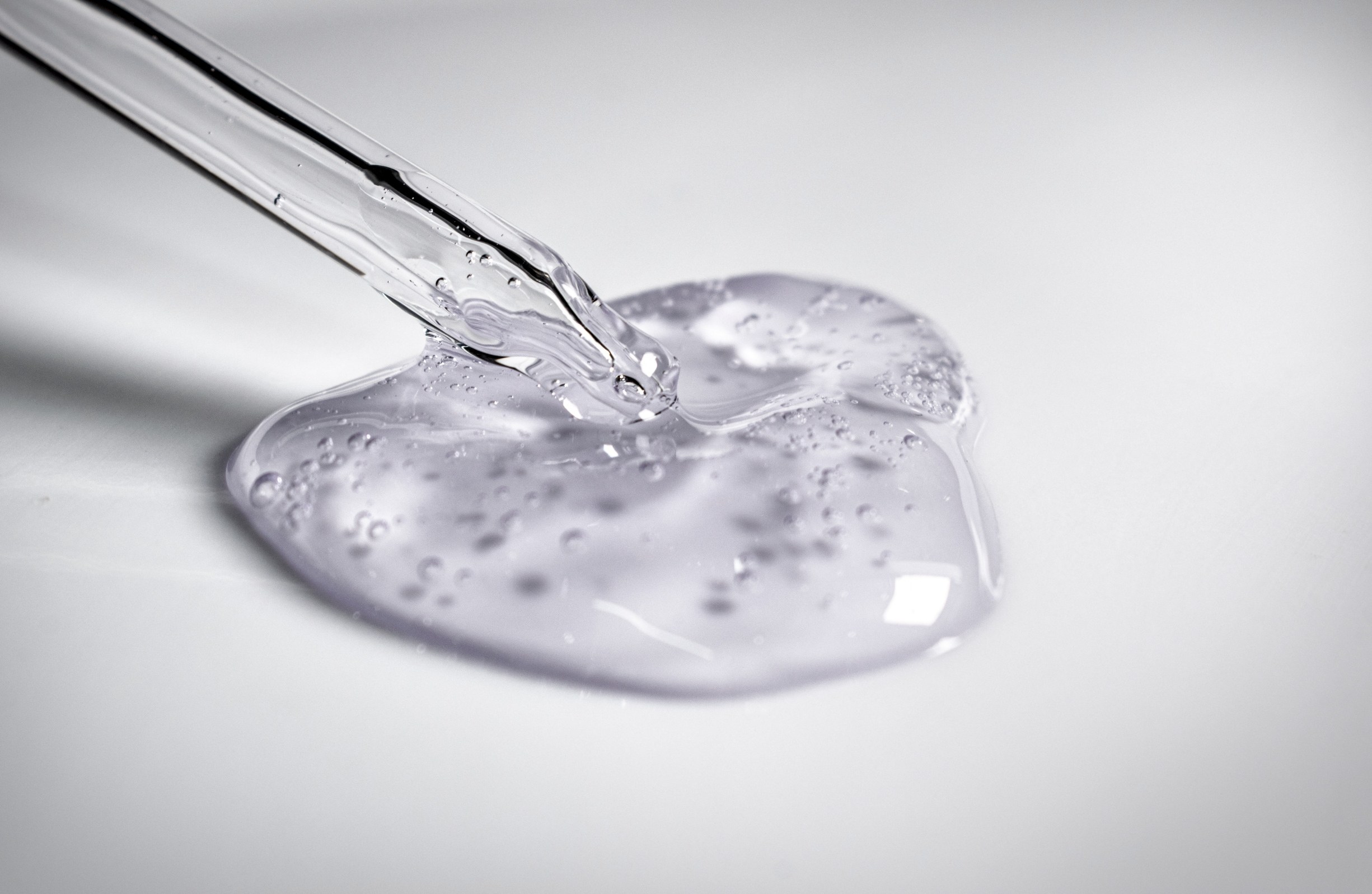
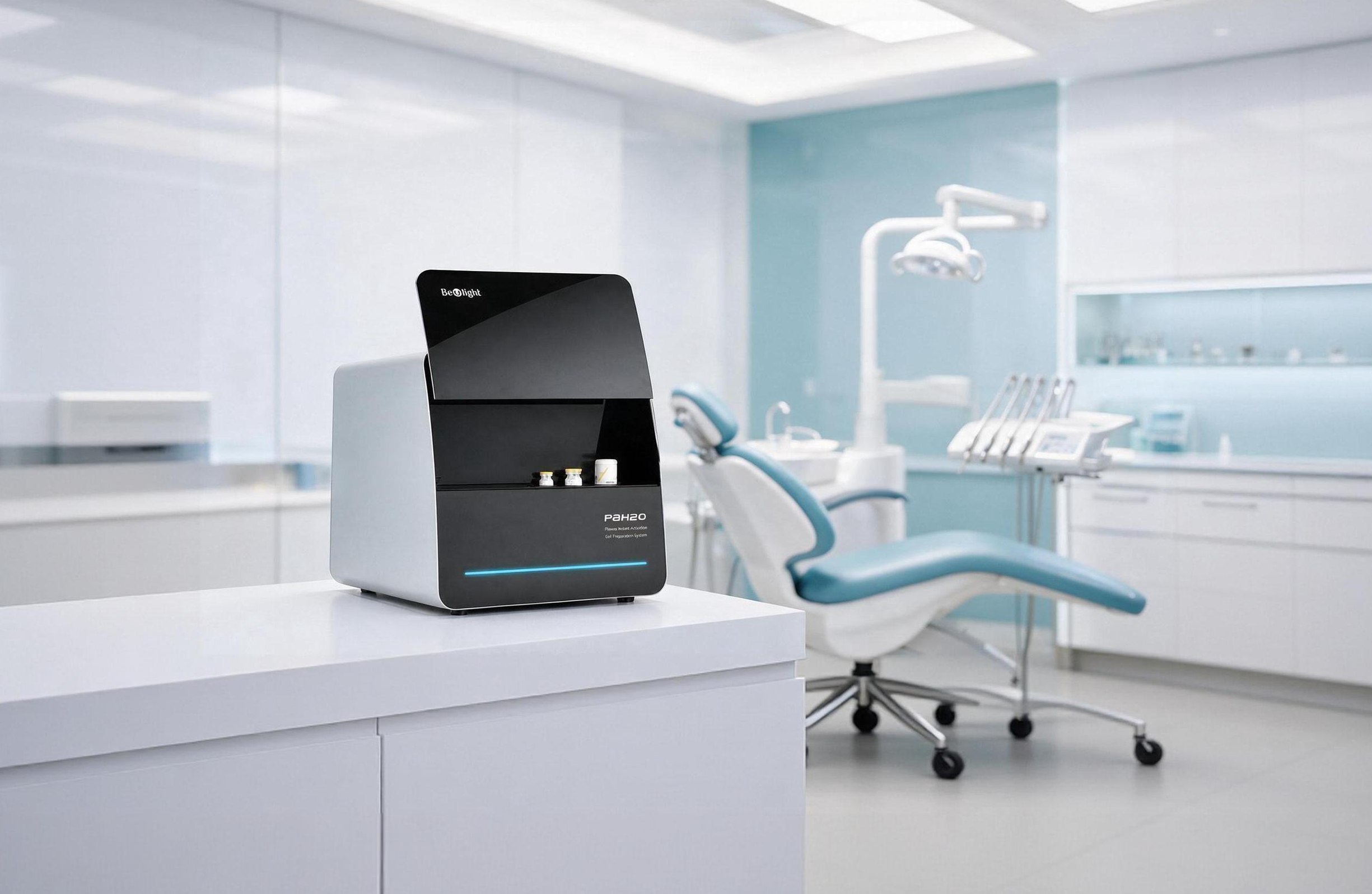
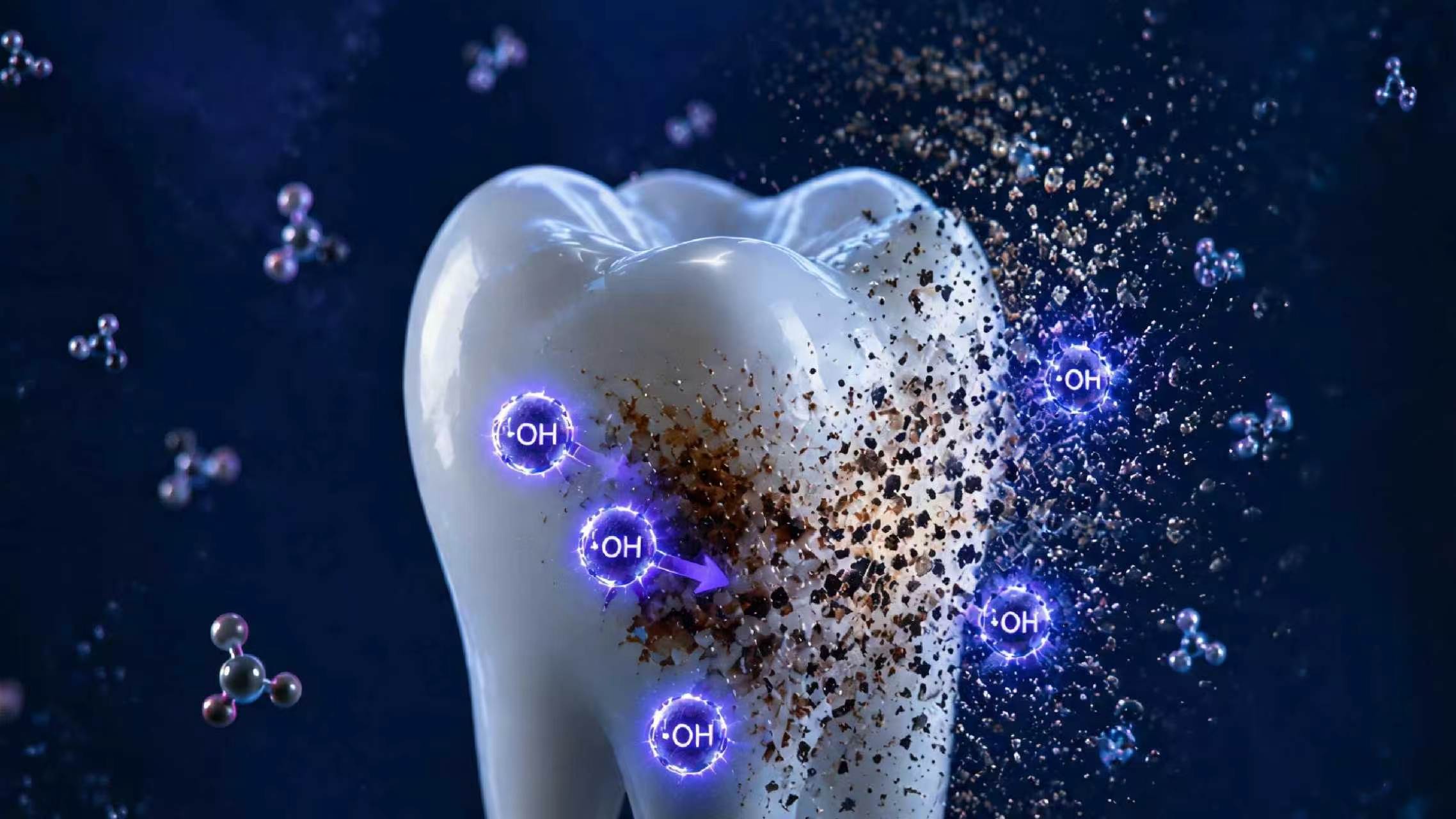
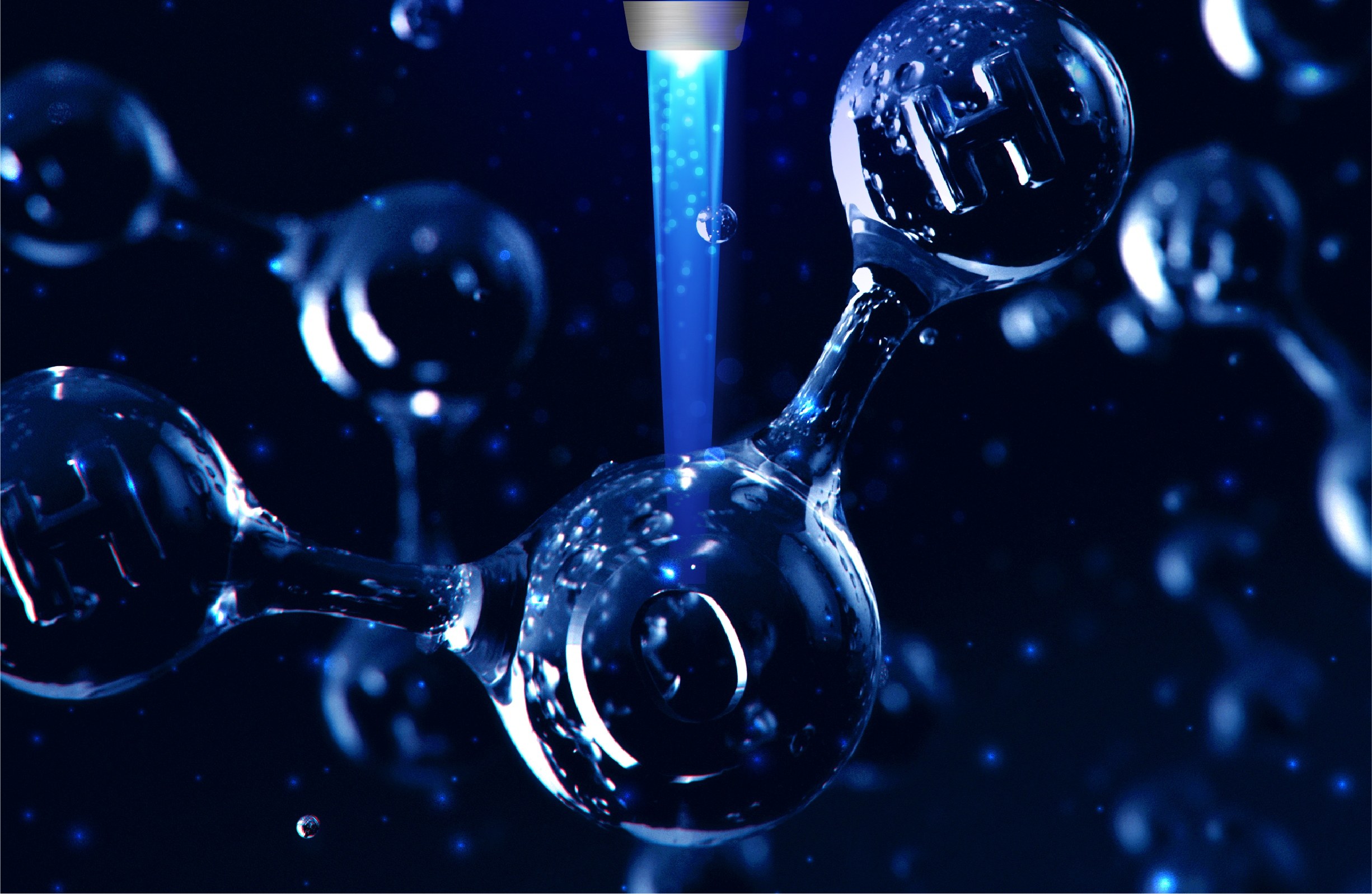
Plasma Teeth Whitening utilizes a ≤3% low-concentration hydrogen peroxide (HP) system. Through low-temperature plasma jets, water and hydrogen peroxide are activated to generate highly reactive Hydroxyl Radicals (•OH) and Reactive Oxygen Species (ROS), forming an active whitening gel system.In simple terms, while the concentration is reduced, the oxidative capability is maintained through enhanced reactivity rather than increased chemical dosage.
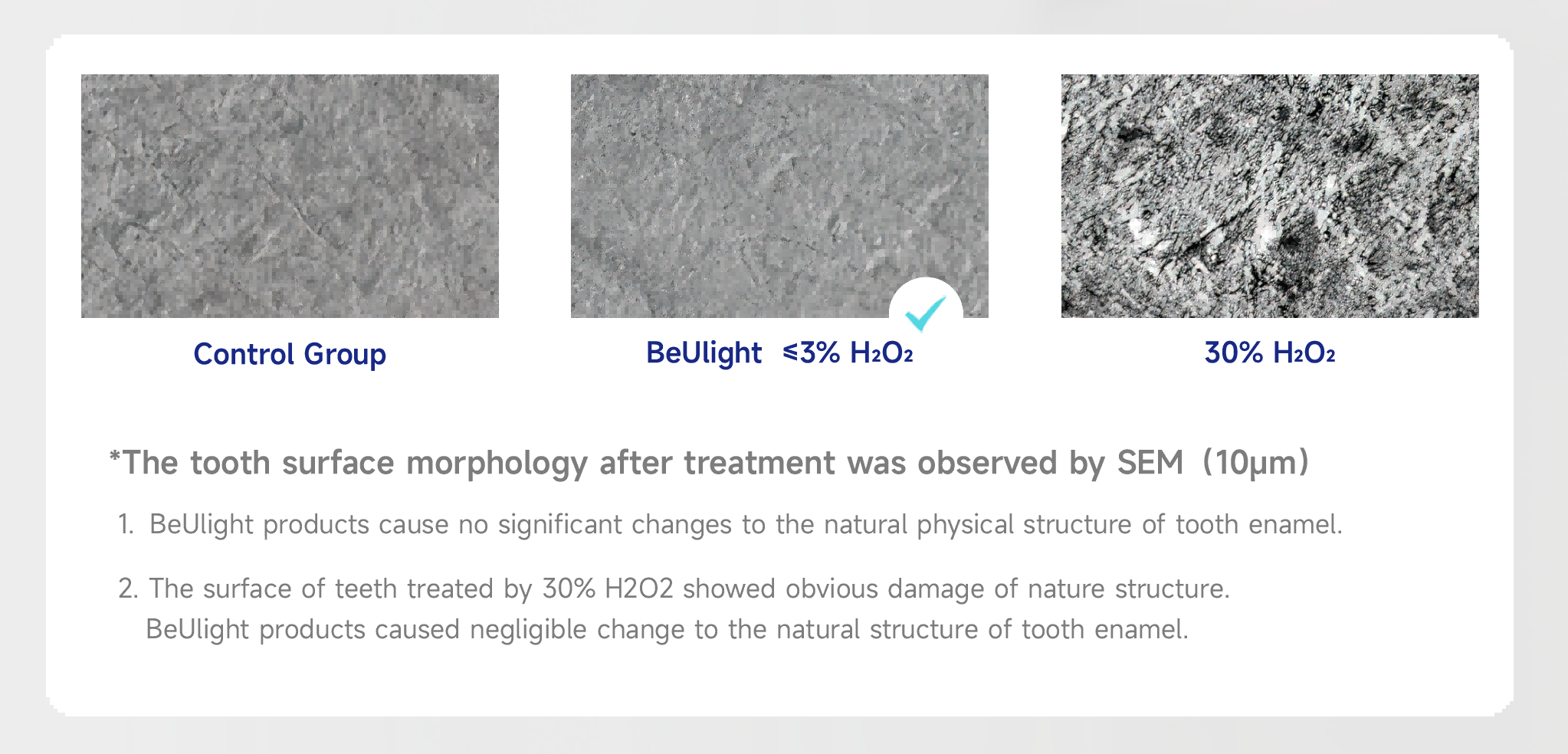
The lower concentration significantly reduces potential irritation to enamel, helping minimize the risk of noticeable demineralization or surface roughness.After treatment, the enamel surface remains relatively smooth, and dentinal tubules are less likely to remain in an exposed state, reducing pathways for pigment penetration and re-staining.
Smooth Surface, Reduced Stain Adhesion
Surface smoothness of enamel is a key factor influencing how easily pigments can re-adhere. After Plasma Teeth Whitening, the enamel maintains a favorable micro-smooth structure, making it more difficult for pigment particles to adhere and stabilize on the surface. This helps reduce the likelihood of post-treatment re-staining from a physical perspective.
Minimal Dietary Restrictions After Treatment
As a result, Plasma Teeth Whitening does not require strict post-treatment dietary restrictions such as the traditional “48-hour white diet.” Patients can generally return to their normal eating habits without the need to avoid deeply colored foods and beverages, offering a more convenient and lifestyle-friendly whitening experience.
As more consumers begin to view teeth whitening as part of long-term oral aesthetic management, the limitations of traditional high-concentration whitening technologies are receiving increasing attention.Frequent use of high-concentration hydrogen peroxide (HP) for whitening may increase the risk of tooth sensitivity and enamel demineralization. As a result, its suitability in long-term, repeated maintenance scenarios is increasingly being reconsidered.
The gentle nature of Plasma Teeth Whitening makes it well suited for use as part of a daily tooth color management routine:
| Comparison Dimensions | Traditional High-Concentration Whitening | Plasma Teeth Whitening |
| Hydrogen Peroxide Concentration | 15%–40% hydrogen peroxide | ≤3% hydrogen peroxide |
| Impact on Enamel | May cause enamel demineralization and increased surface roughness | Gentle on enamel; helps maintain surface smoothness |
| Post-Treatment Sensitivity | Tooth sensitivity is relatively common | Gentle on enamel; helps maintain surface smoothness |
| Dietary Restrictions After Treatment | Strict 48-hour dietary restrictions (avoidance of strongly pigmented foods and beverages) | No strict dietary restrictions required |
| Procedure Complexity | Requires gingival protection, desensitizing, and remineralization procedures | Simplified workflow: activation – gel preparation – application |
| Suitability for Repeated Use | Repeated use may increase cumulative risk of enamel stress | Supports periodic and long-term whitening maintenance |
When teeth whitening no longer comes at the expense of enamel health, it can be integrated into a routine oral care schedule—similar to regular dental cleaning—helping maintain teeth within an ideal shade range over time.
Regardless of the whitening method chosen, the following post-treatment care principles are worth keeping in mind:
1. Maintain Consistent Oral Hygiene:Brush twice daily and use dental floss regularly to reduce the contact time of pigments on the tooth surface.
2. Maintenance Matters More Than One-Time Results:Integrating whitening into ongoing tooth color management, rather than relying on one-time intensive treatments, supports a healthier and more sustainable approach to whitening maintenance.
3. Choose a Gentle Whitening Approach:Enamel-friendly whitening technologies shift post-treatment care from “damage control” to routine maintenance, which represents a more sustainable long-term approach to oral aesthetics.
Tooth color is influenced by dietary habits, lifestyle, and ongoing pigment accumulation. Therefore, teeth whitening should be viewed as a long-term oral aesthetic management process rather than a one-time cosmetic procedure.By choosing a scientifically grounded whitening method and establishing an appropriate maintenance routine, it is possible to achieve a better balance between aesthetic outcomes and oral health.