Looking back over decades of in-office teeth whitening development, the trajectory of technological iteration is clear: the industry's early phase relied on high-concentration hydrogen peroxide for chemical bleaching, whereas the current stage has gradually elevated safety and treatment comfort to core considerations. Analyzed through the lenses of technical principles and clinical application, the new generation of teeth whitening technology is undergoing a paradigm shift from "concentration-driven" to "activity-driven" innovation—a transformation most evident across three dimensions: safety trends, comfort demands, and precision care.
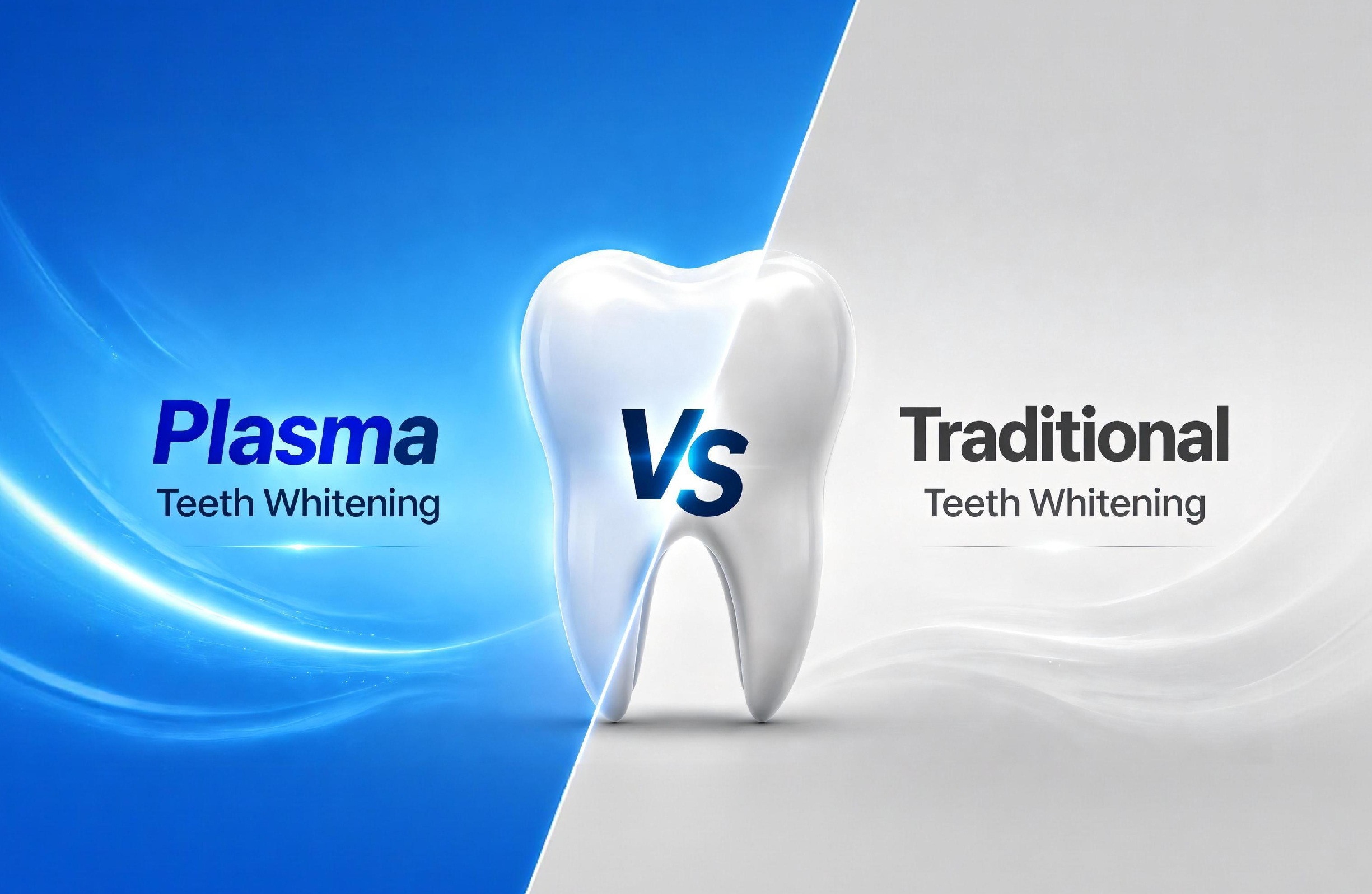
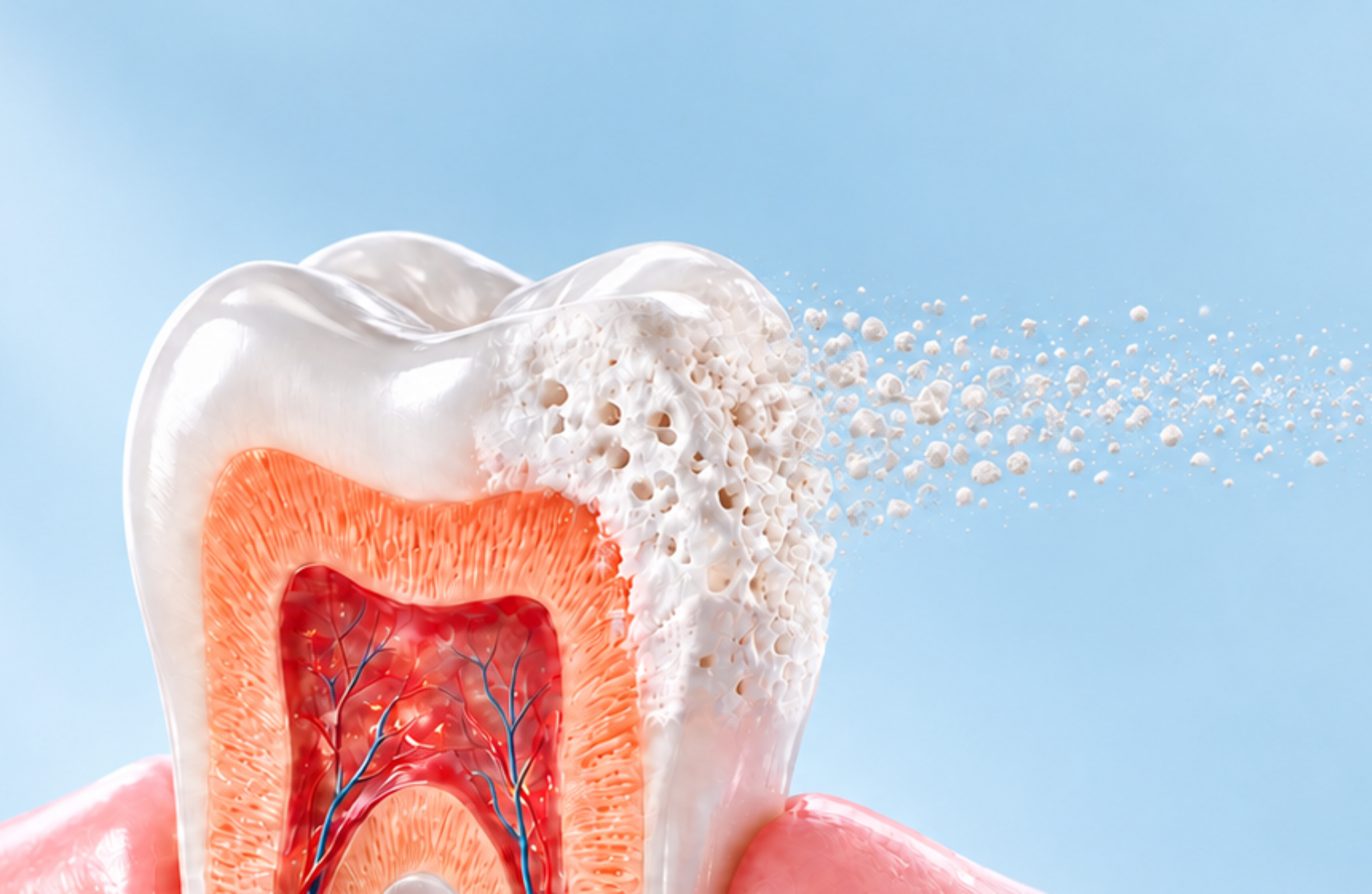
Traditional in-office teeth whitening primarily follows a concentration-driven logic, commonly employing high-concentration hydrogen peroxide (HP) at 15%–40%. Related studies indicate that as HP concentration increases, risks such as tooth sensitivity, soft tissue irritation, and dental tissue damage warrant attention[1].
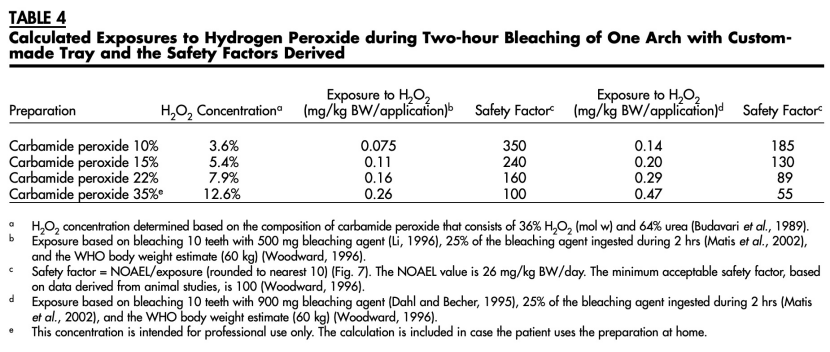
[1]Data sourced from: Tooth Bleaching−−a Critical Review of the Biological Aspects
Safety factor = NOAEL/Exposure (minimum acceptable safety factor: 100; NOAEL = 26 mg/kg BW/day)
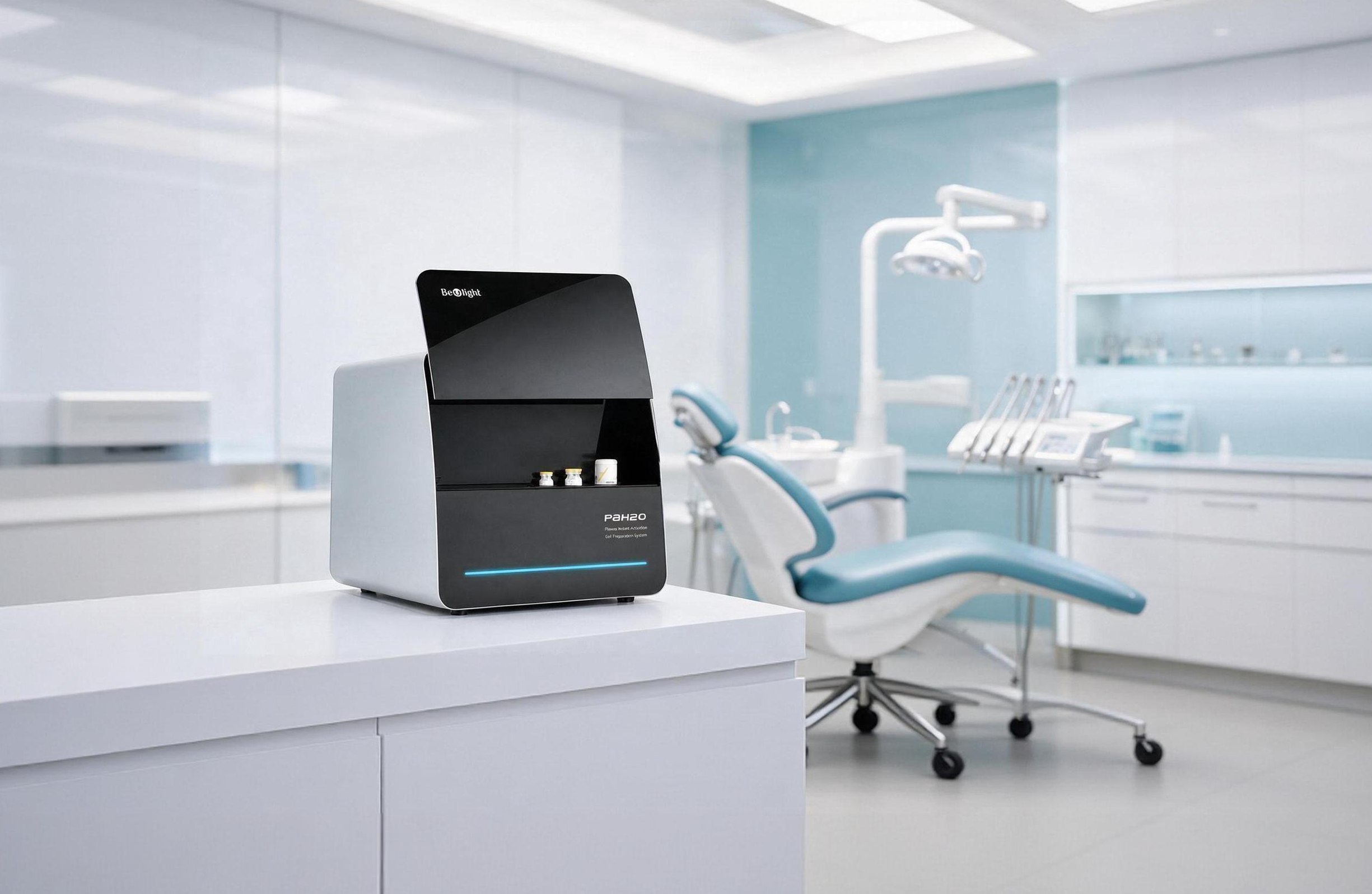
A representative of the new-generation technological pathway—Plasma Teeth Whitening—proposes a different approach:
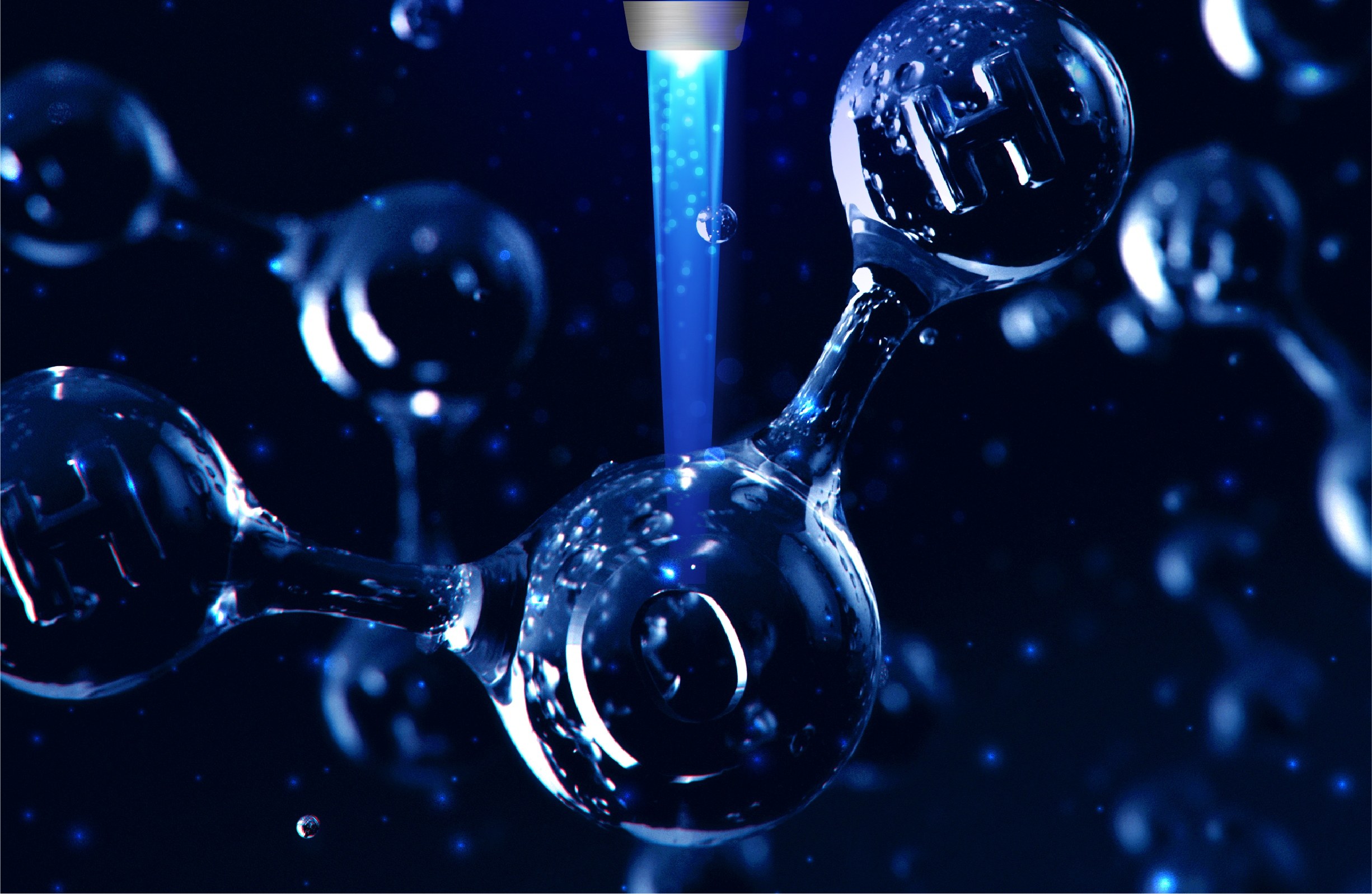
·Low-concentration HP: Uses water + ≤3% hydrogen peroxide (HP) as the reaction system, reducing the irritation risk associated with high-concentration hydrogen peroxide at the source.
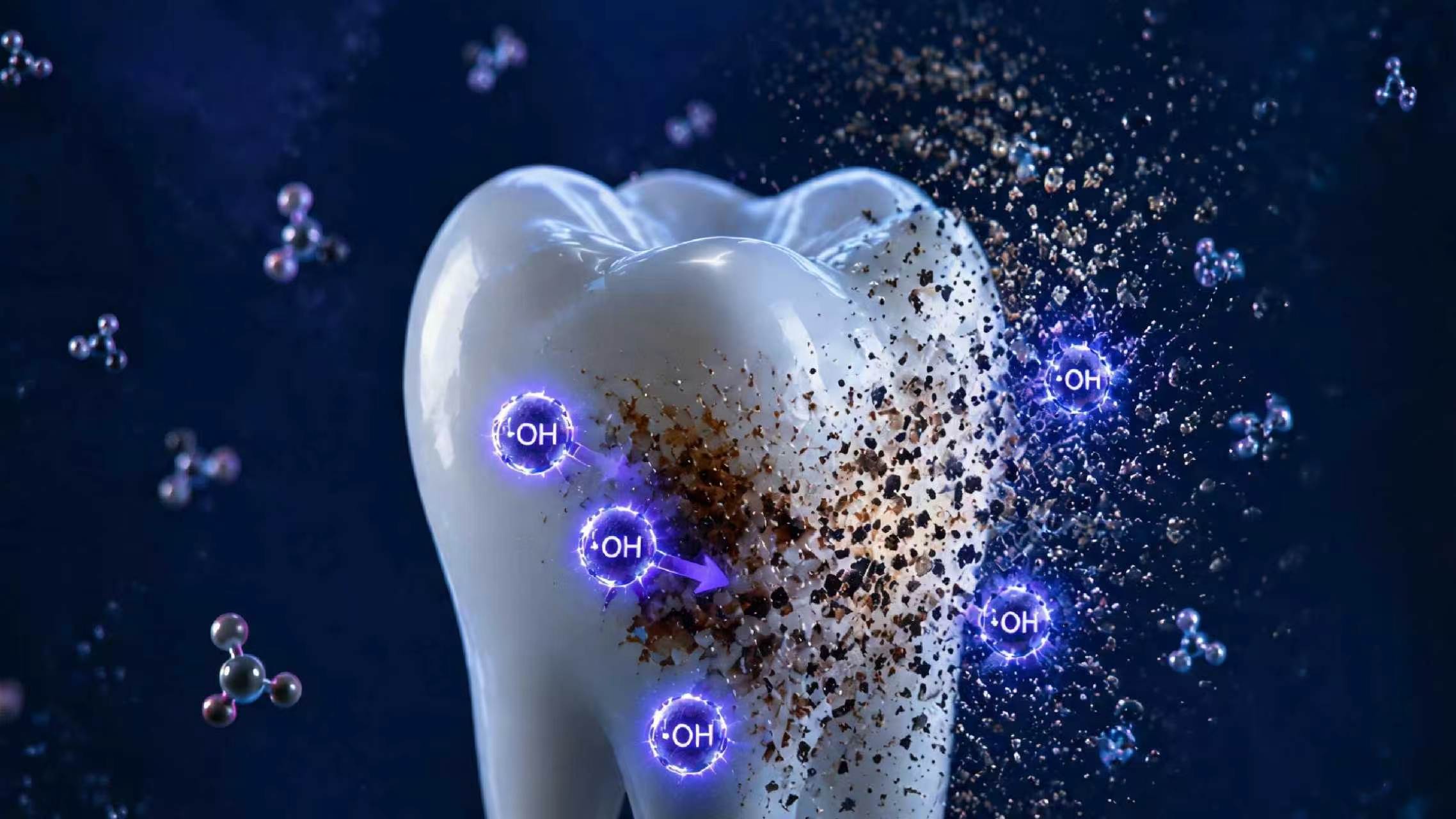
·Plasma activation: Activates the reaction system via a low-temperature plasma jet, promoting the generation of hydroxyl radicals (·OH) and reactive oxygen species (ROS).
·Activity-driven whitening: Whitening efficiency no longer primarily relies on increasing HP concentration, but rather on enhancing the reaction activity of the system to accelerate the breakdown of dental pigments.
This technological pathway efficiently breaks down pigments while significantly reducing the risks of enamel demineralization and soft tissue damage, advancing teeth whitening into a new phase from "concentration-driven" to "activity-driven."
Consumer demand is likewise continuously driving technological iteration. Previously, tooth sensitivity experienced during or after whitening was often regarded as an acceptable side effect, typically managed through pre-treatment informed consent and post-treatment care. However, as the concept of Pain-free / Minimally Invasive Dentistry gains popularity, high comfort and low irritation have gradually become important demands in teeth whitening.

When sensitivity occurs after traditional high-concentration hydrogen peroxide whitening, intervention is typically administered using desensitizing agents such as potassium nitrate (KNO₃) and sodium fluoride (NaF)[2]: potassium nitrate primarily alleviates sensitivity and discomfort by reducing the excitability of dental pulp sensory nerves; fluoride, in turn, assists in improving sensitivity by promoting remineralization and reducing dentin permeability. Its core logic is to manage irritation through desensitization and remineralization after whitening has already caused stimulation.
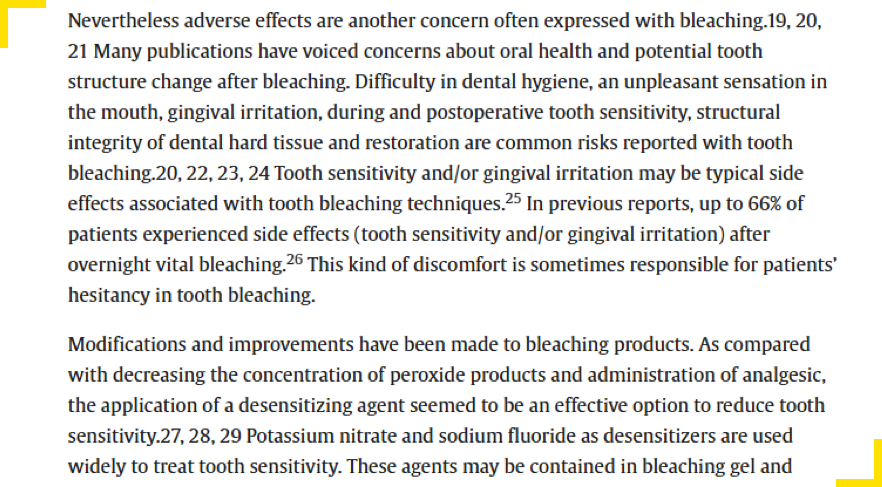
[2]Reference: Wang Y, Gao J, Jiang T, Liang S, Zhou Y, Matis BA. Evaluation of the efficacy of potassium nitrate and sodium fluoride as desensitizing agents during tooth bleaching treatment—A systematic review and meta-analysis. Journal of Dentistry. 2015;43(8):913–923. doi:10.1016/j.jdent.2015.03.015.
Plasma Teeth Whitening further aligns with the demands of pain-free dentistry through its technological pathway:
·No complex protection required: Combining ≤3% HP with plasma activation technology reduces the risk of burns to oral mucosal tissues. As a result, the application of a gingival barrier and moisture isolation procedures are unnecessary—this not only simplifies the operational workflow but also reduces the risks associated with inadequate isolation.
·Simplified care procedure: By using low-temperature plasma to enhance the reaction activity of the low-concentration HP system, effective whitening is achieved while the risks of enamel damage and tooth sensitivity are reduced. Consequently, desensitizing agents or remineralization care are no longer required as routine supplementary steps.
In terms of the whitening experience, Plasma Teeth Whitening shifts the approach to comfort from "intervention after irritation occurs" to "reducing the occurrence of irritation," reducing the burden of protection and care during the whitening process, and offering a safer, more comfortable whitening option for individuals with high comfort requirements and those who have experienced sensitivity with traditional whitening.
The third transformation is reflected in the synergy between teeth whitening and other dental services. Leveraging its low-irritation and low-operational-burden characteristics, Plasma Teeth Whitening is no longer limited to being performed as a standalone procedure, but can be further integrated into various dental treatment and aesthetic service scenarios.
·Scaling + Whitening: Traditional high-concentration whitening typically needs to be performed at separate times from scaling, whereas Plasma Teeth Whitening, with its safe and gentle characteristics, offers new possibilities for directly transitioning to whitening immediately after scaling. After scaling, Plasma Teeth Whitening can be performed directly, delivering a continuous experience from "clean" to "bright white."
·Orthodontics + Whitening: During orthodontic treatment, overall improvement in tooth color can be achieved, creating a more comprehensive aesthetic result through the combination of aligned dentition and enhanced tooth shade.
·Restorative Treatment + Whitening: Prior to aesthetic restorative treatment, teeth whitening can first improve the base shade of natural teeth, providing a better foundation for subsequent restoration shade matching and overall color harmony.
·Full-Lifecycle Care + Whitening: By addressing oral health and aesthetic needs at different stages, teeth whitening can serve as an optional aesthetic component within scaling, orthodontics, restorative treatment, and daily oral management, extending the continuity of a practice's dental aesthetic services.
As a result, teeth whitening is gradually evolving from a relatively independent single service into an aesthetic module that can be embedded within dental treatment workflows, further expanding the service scenarios and aesthetic value of professional practices.
From safety and comfort to multi-scenario combined applications, the technical evaluation criteria for teeth whitening are undergoing a transformation. "Low concentration, high activity" is not merely a change in technological pathway—it signifies a shift in the industry from the sole pursuit of whitening efficiency toward a comprehensive consideration of efficacy, safety, experience, and application value. The transition from "concentration-driven" to "activity-driven" is emerging as an important direction for the new generation of teeth whitening technology.